
BESS NEWS
Dutch Electricity Grid Infrastructure Crisis: When Execution Becomes Critical
via reynard.nl
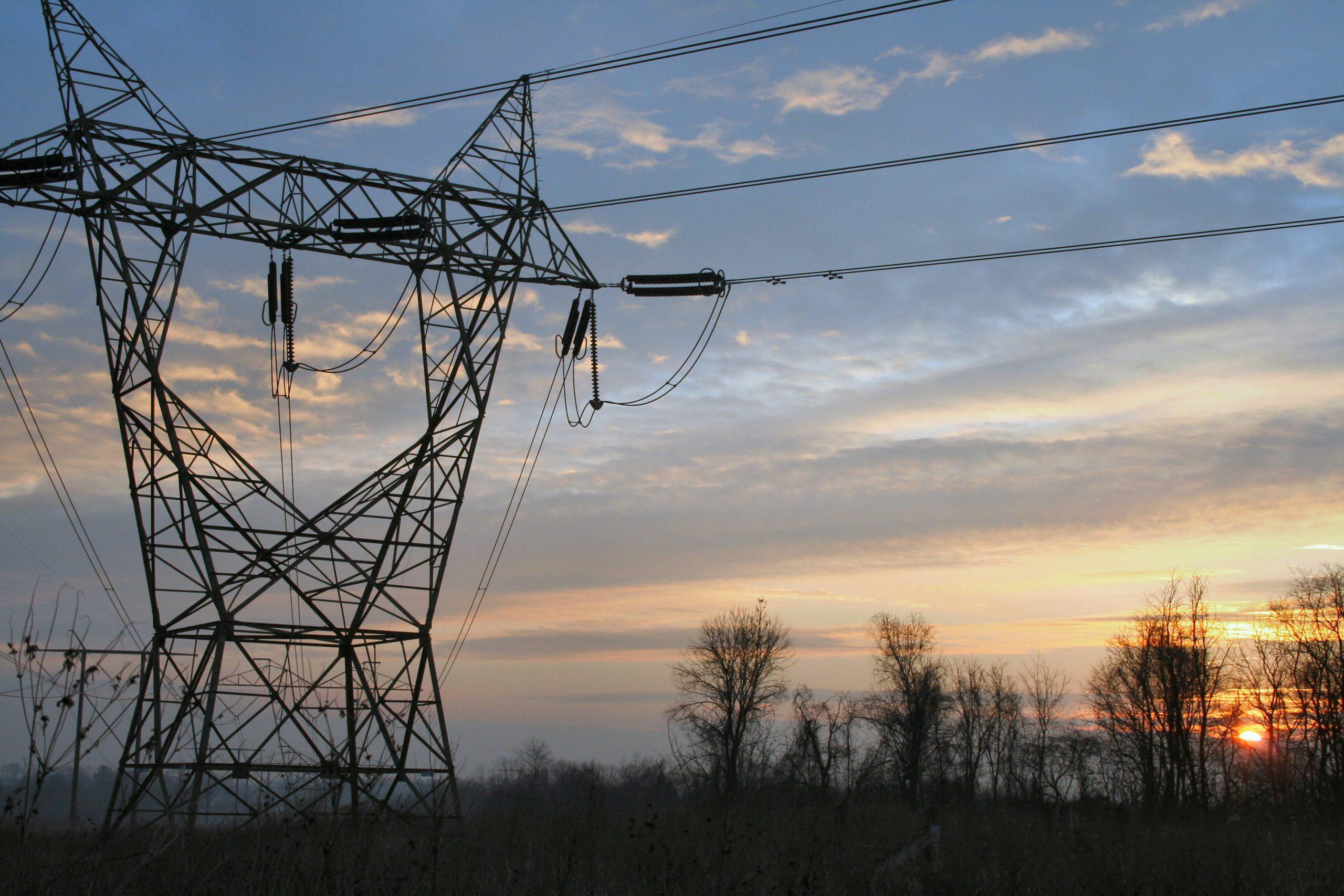
Review of the NRC article: “The Dutch electricity grid is clogging up, despite billions in investment” (July 29, 2025)
The Dutch electricity grid infrastructure is reaching breaking point. Every week brings new warnings about delayed housing projects, overloaded substations, and growing queues of businesses unable to connect. This week, NRC published a comprehensive analysis revealing just how serious the electricity grid infrastructure crisis in the Netherlands has become — and why billions in investment aren’t solving the execution bottleneck.
What the NRC Article Reveals About Dutch Electricity Grid Infrastructure
The Netherlands is electrifying at record speed, but the electricity grid infrastructure cannot keep pace with demand. Despite massive infrastructure spending, capacity requirements are outstripping construction efforts. The NRC analysis highlights the crisis with stark numbers:
- 8,440 companies waiting for grid connection permissions
- 11,922 companies queued for new grid connections
- 1 in 3 streets requiring excavation for new cables
- Tens of thousands of transformer units needed before 2050
- €5.5 billion invested by TenneT in H1 2025 electrification projects
- €968 million invested by Alliander (+21% year-over-year)
- €610 million by Stedin for 573 km of cable and 245 substations
- €889 million by Enexis, with negative cash flow due to investment pace
- €229 million negative free cash flow reported by Stedin
The most concerning statistic: building a high-voltage substation takes 10–12 years, with only 30% actual construction time. The remainder involves permits, procedures, and land acquisition bureaucracy.
Why Dutch Electricity Grid Infrastructure Bottlenecks Affect Everyone
The Dutch electricity grid infrastructure crisis creates widespread consequences. In Tilburg and Den Bosch, grid operators prepare for emergency disconnections. EV charging faces restrictions between 4-9 PM. Housing developments in North Holland and Friesland stall due to connection impossibilities.
Where electrification stalls, fossil fuel dependency extends. Two Utrecht gas-fired power plants will operate longer — not from demand, but because the Dutch electricity grid infrastructure cannot accommodate greener alternatives yet.
Learn more about energy transition challenges in the Netherlands and how grid modernization affects renewable energy adoption.
Current Solutions for Dutch Electricity Grid Infrastructure Challenges
Grid operators are intensifying efforts through investment, lobbying, and innovative flexible contracts — like PepsiCo’s capacity-dependent electricity agreements. They’re exploring bidirectional EV charging technology to reduce peak-time pressure.
However, regardless of system intelligence improvements, the Dutch electricity grid infrastructure bottleneck remains physical: cables, terminations, and substations require rapid construction.
The Bottom Line: Electricity Grid Infrastructure in The Netherlands Needs Action
The energy transition isn’t hindered by insufficient ambition or investment, but by execution capacity limitations. Demand consistently outpaces delivery capabilities. Only immediate action will change this trajectory.
Organizations with expertise, personnel, and tools to deliver high-voltage infrastructure bear responsibility to contribute to solving the electricity grid infrastructure crisis.